Why Homeowners Trust Alvin Air Conditioning Services Year Round
Why Homeowners Trust Alvin Air Conditioning Services Year Round
Blog Article
Premier Air Conditioning Services to Preserve Your Home Refreshing and Comfortable Throughout the Year
Maintaining a pleasant home environment relies heavily on effective air conditioning services. Regular maintenance is vital for system efficiency and longevity. Identifying signs of potential issues can prevent costly repairs. Additionally, upgrading to energy-efficient units offers long-term savings. Various seasonal tune-ups can optimize performance. Understanding these aspects is essential for homeowners. However, many may overlook significant warning signs. What are the key indicators that indicate your system may need attention?
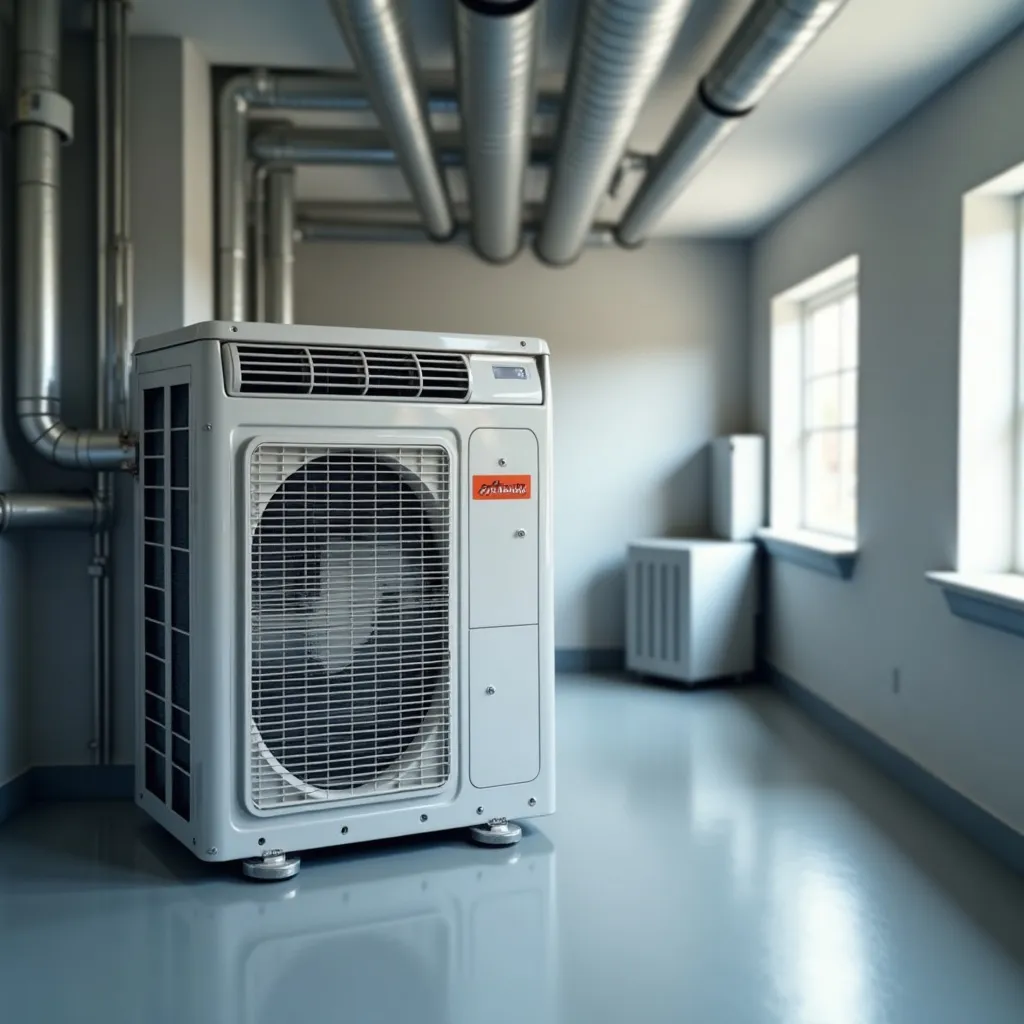
The Importance of Routine Air Conditioning Maintenance
Regular air conditioning upkeep is crucial for optimal functioning and longevity of the system. A well-maintained air conditioning unit runs more effectively, decreasing energy consumption and reducing utility bills. Routine inspections can prevent minor issues from escalating into major problems, guaranteeing the system runs smoothly throughout the warmer months.
Moreover, regular servicing strengthens indoor air quality by clearing dust, allergens, and debris that accumulate in the system. This is particularly important for households with respiratory concerns. Annual inspections generally include procedures like cleaning filters, checking refrigerant levels, and inspecting electrical components, which contribute to peak system efficiency and dependability.
Investing in routine maintenance not only maximizes the lifespan of the air conditioning unit but also establishes a agreeable home environment. Dwellers who prioritize routine maintenance can take advantage of tranquility, knowing their system is suited to handle the pressures of temperature changes.
How to Identify When Your AC Requires Maintenance?
Recognizing when an air conditioning unit calls for service is important for ensuring comfort and energy efficiency. Signals like unusual noises, irregular cooling performance, and rising energy bills frequently point to latent problems. Spotting these red flags can help residents take timely action before more significant problems emerge.
Peculiar Audio Coming From Unit
When an AC system starts making strange sounds, it often indicates potential issues that may require immediate attention. Typical noises include clattering, which may suggest loose components, or whistling, suggesting a coolant escape. A grinding noise could suggest engine issues, while a buzzing sound may signify electrical issues. These sounds not only disrupt comfort but can also lead to greater harm if neglected. Homeowners should take these signs seriously and think about contacting a professional technician to identify and resolve the underlying problems. Timely repairs can avoid additional issues and ensure the unit operates efficiently, preserving a comfortable living environment year-round. Disregarding these sounds may lead to costly repairs down the line.
Fluctuating Temperature Performance
Strange noises coming from an air conditioning unit can often precede other signs of malfunction, such as variable temperature readings. Homeowners might notice that certain rooms feel hotter or colder than others, indicating the system is unevenly distributing air. Furthermore, it might take longer for the unit to reach the set temperature, causing uneasiness. If thermostat settings do not match with the actual room temperature, this inconsistency can reveal an hidden problem. Checking for blocked vents or dirty filters is necessary, since these factors contribute to temperature variations. Regular maintenance and prompt attention to these signs can help ensure the air conditioning system operates effectively, providing a comfortable living environment year-round.
Increased Energy Bills
Many homeowners might observe a sudden increase in their energy bills, which can serve as a sign that their air conditioning system requires attention. This increased energy use is frequently caused by several hidden problems, including dirty filters, refrigerant leaks, or damaged parts. These issues cause the system to work harder to maintain the desired temperatures, resulting in higher operational costs. Homeowners should regularly check their energy bills and contrast them with those from previous times or years for any discrepancies. Additionally, unusual sounds or reduced cooling efficiency can also point to the need for maintenance. Dealing with these issues without delay can not only restore efficiency but also help prevent more significant problems and expenses later, ensuring a pleasant living environment year-round.
Learning About Critical AC Assistance
Emergency AC services are essential for property owners dealing with sudden air conditioning failures, particularly during the sweltering summer months. Such services provide immediate support, ensuring that a malfunctioning unit does not affect health and indoor comfort. Typical problems needing emergency care consist of refrigerant leaks, compressor failures, and electrical problems, all of which can lead to inadequate cooling or complete system shutdown.
Homeowners must understand the essential nature of maintaining reliable emergency services. Immediate response times can reduce discomfort and forestall further damage to the system. Moreover, many service providers make available 24/7 availability, catering to urgent needs regardless of the time of day.
Understanding the signals that warrant immediate check this resource air conditioning help can strengthen residents to act promptly, confirming their climate control units function effectively and productively. By valuing these resources, residents can copyright a pleasant, cool living environment throughout the hottest months of the year.
What Are the Advantages of Upgrading to Eco-Friendly AC Systems?
Upgrading to high-efficiency AC units offers substantial benefits, including lower utility costs. These contemporary units not only consume less power but also enhance indoor air quality through better air filtering and moisture regulation. As homeowners look for cost-effective and healthier living environments, efficient cooling systems offer an attractive option.
Cut Power Expenses
Allocating funds to energy-saving air conditioning units can substantially decrease monthly energy expenses. These new systems utilize advanced technology to refine energy consumption, resulting in less operational costs. Traditional units often waste energy, leading to increased bills during peak usage times. On the other hand, energy-efficient models are designed to consume minimal power while maintaining superior cooling performance. The initial investment in these units can be made up for by notable savings over time, making them a financially sound choice for homeowners. Additionally, many energy-efficient air conditioners qualify for rebates and incentives, further amplifying their cost-effectiveness. By upgrading to these units, homeowners not only contribute to environmental sustainability but also enjoy a more cost-efficient method of cooling their living spaces.
Optimized air quality indoors
Energy-efficient climate control systems both decrease utility costs but also markedly enhance indoor air quality. These units are fitted with advanced filtration systems that effectively capture dust, allergens, and pollutants, leading to cleaner air circulation within the home. By managing humidity levels, energy-efficient models help prevent mold growth and the proliferation of bacteria, contributing to a healthier living environment. Additionally, many of these units operate at a lower noise level than traditional models, lessening noise pollution and promoting a more serene atmosphere. Upgrading to energy-efficient air conditioning systems not only supports environmental sustainability but also addresses the well-being of the household, making it a smart choice for homeowners seeking both comfort and health benefits.
Routine Seasonal Adjustments for Maximum Air Conditioning Operation
As the warmer months near, ensuring an AC unit is in peak condition becomes essential for maintaining indoor comfort. Regular maintenance sessions play a critical role in improving AC performance, enhancing efficiency, and extending the life of the system. These comprehensive service appointments generally involve replacing or cleaning air elements, inspecting refrigerant levels, and identifying potential leaks. Service professionals also assess electrical components, ensure proper airflow, and inspect the condenser and evaporator coils.
Quick Repairs for Standard AC Problems
Regular tune-ups can help prevent many problems, but even properly serviced air conditioning systems can encounter issues. Homeowners may encounter typical problems such as insufficient cooling, unusual sounds, or frequent cycling. A quick fix for insufficient cooling often involves checking the thermostat configuration and ensuring they are set correctly. Additionally, cleaning and inspecting the air filters can improve air circulation and performance.
For peculiar noises, homeowners should first inspect the unit for loose components or debris. Securing bolts and clearing blockages can reduce many noise problems. If the AC continually switches on and off, examining the compressor and testing refrigerant levels can present solutions.
At the end, keeping the outdoor unit clear of debris can enhance overall performance. While these quick solutions can handle immediate issues, consulting with a professional for recurring difficulties is wise to stop further harm.
Ways to Extend the Longevity of Your AC System
A properly serviced air conditioning system can last considerably longer, ensuring comfort for homeowners throughout the years. Regular maintenance is crucial; this includes replacing filters every one to three months to enhance efficient airflow. Expert evaluations should occur at least once a year to detect potential issues early.
Maintaining a debris-free outdoor unit, including leaves and dirt removal, helps sustain peak performance. Homeowners should also confirm that vents and registers remain open to allow proper air circulation throughout the home.
In addition, programming the thermostat to a moderate temperature can ease strain on the system. Installing a programmable thermostat allows for enhanced energy management.
Finally, putting in a surge protector can protect the unit from electrical harm. By implementing these techniques, homeowners can greatly extend the longevity of their air conditioning systems while appreciating a comfortable living environment.
Frequently Requested Questions
What is the usual cost of Air Conditioning Servicing?
Air conditioning maintenance usually runs around $75 and $200 per session, subject to circumstances like system type and vendor. Routine maintenance can sustain the unit's operational life and enhance efficiency, consequently reducing on power expenses.
What Are the Signs of a Coolant Leak?
Symptoms of a refrigerant leak display hissing sounds, weakened cooling ability, icy coil conditions, and soaring utility costs. These markers imply a need for qualified review to forestall escalating damage to the air conditioning system.
Can I Install an Air Conditioning System Myself?
He established that putting in an AC unit by himself was achievable, but needed specialized skills and apparatus. Looking at professional recommendations and taking into account local ordinances were imperative to confirm proper safety measures and conformity to installation guidelines.
How Frequently Do I Need to Replace My AC Air Filter?
Air filters generally require changing every one to three months, based on wear and the category of filter. Regular replacement improves air quality and system operation, eventually extending the lifespan of the air conditioning unit.
What is the Normal Span of an Air Conditioning Unit's Operational Period?
The typical lifespan of an air conditioning unit typically ranges from 15 to 20 years, depending on upkeep, usage, and model quality. Routine maintenance can prolong its longevity, ensuring optimal efficiency throughout its operational life.
Report this page