Choose Alvin Air Conditioning Services for Expert HVAC Solutions
Choose Alvin Air Conditioning Services for Expert HVAC Solutions
Blog Article
Leading Air Conditioning Services to Preserve Your Home Pleasant and Cool Throughout the Year
Keeping a pleasant living space requires efficient air conditioning services. Routine maintenance is vital for the system’s efficiency and durability. Spotting signs of possible problems can avoid expensive repairs. Furthermore, upgrading to energy-efficient units provides long-term savings. Different seasonal tune-ups help enhance performance. Knowing these factors is crucial for homeowners. Yet, many people might miss important warning signs. What are the main signs that suggest your system needs service?
The Value of Consistent Air Conditioning Care
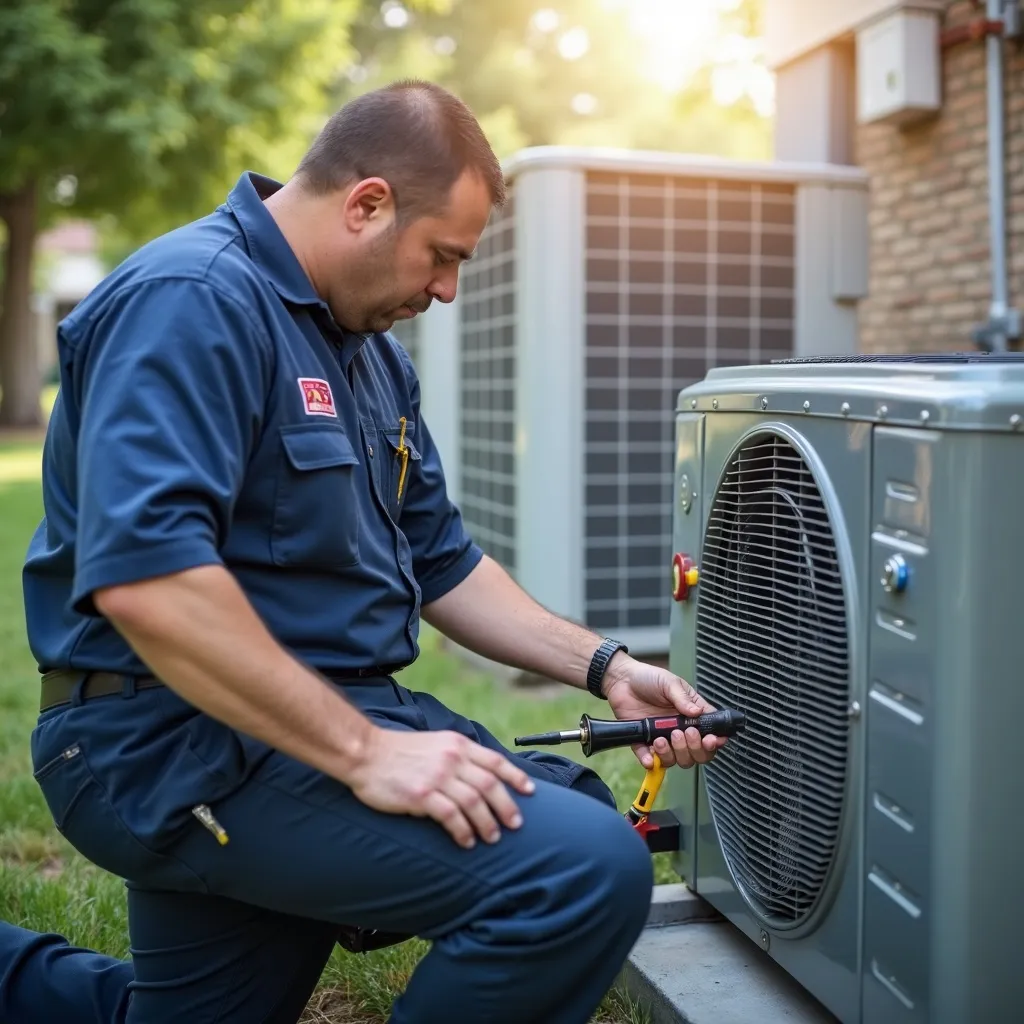
Regular air conditioning care is critical for superior operation and longevity of the system. A well-maintained air conditioning unit operates more productively, reducing energy consumption and minimizing utility bills. Routine evaluations can prevent minor issues from progressing into major problems, ensuring the system runs smoothly throughout the warmer months.
In addition, regular maintenance enhances indoor air quality by eliminating dust, debris, and allergens that build up in the system. This is particularly critical for households with respiratory concerns. Routine reviews commonly entail operations such as filter cleaning, refrigerant checks, and electrical component inspection, which promote overall system reliability.
Investing in routine maintenance not only extends the lifespan of the air conditioning unit but also fosters a comfortable living environment. Homeowners who focus on periodic upkeep can enjoy reassurance, knowing their system is ready for the demands of changing temperatures.
How to Recognize When Your AC Should Be Fixed?
Determining when an air conditioning unit should be serviced is essential for maintaining comfort and efficiency. Signs including strange sounds, variable cooling, and rising energy bills typically reveal root causes. Detecting these symptoms allows householders to intervene early before major complications surface.
Strange Audio Issues From Unit
When an air conditioning unit begins to produce unusual noises, it often indicates potential issues that may require immediate attention. Typical noises consist of rattling, which may suggest loose components, or hissing, indicating a coolant escape. A scraping sound could point to engine issues, while a buzzing sound may signify electrical issues. These noises not only disrupt comfort but can also result in more extensive damage if neglected. Homeowners should pay attention to these warnings and think about contacting a professional technician to diagnose and address the underlying problems. Prompt maintenance can prevent further complications and ensure the unit functions properly, maintaining a comfortable living environment year-round. Ignoring these sounds may lead to expensive fixes eventually.
Fluctuating Heat Performance
Uncommon sounds from an air conditioning unit can often precede further signs of malfunction, such as fluctuating temperature levels. Homeowners may detect that some rooms feel hot or cooler compared to others, showing the system isn't distributing air consistently. Additionally, the unit may require more time to reach the target temperature, which leads to unease. When the thermostat settings do not correlate with the actual room temperature, this mismatch can indicate an underlying issue. Checking for blocked vents or dirty filters is important, as these problems can contribute to temperature inconsistencies. Routine maintenance and quick attention to these signals can help ensure the air conditioning system operates smoothly, offering a comfortable living environment all year long.
Elevated Energy Expenses
Many homeowners might observe a sudden increase in their energy bills, which can serve as a sign that their air conditioning system needs attention. This increased energy use is frequently caused by several hidden issues, including clogged air filters, coolant losses, or malfunctioning components. These issues cause the system to operate under more strain to achieve the target levels, resulting in increased running costs. Homeowners should regularly check their energy bills and compare them with those from previous times or years for any discrepancies. Additionally, unusual sounds or lower cooling output can further indicate the need for repairs. Dealing with these issues promptly can not only bring back efficiency but also help avoid more severe problems and expenses later, ensuring a comfortable living environment throughout the year.
Understanding Critical AC Support
Emergency air conditioning assistance are vital for homeowners facing sudden cooling unit breakdowns, especially during the hot summer months. Such services offer rapid help, ensuring that a malfunctioning unit does not impact health and comfort indoors. Frequent issues demanding emergency care involve refrigerant leaks, compressor failures, and electrical problems, all of which can cause poor cooling or complete system shutdown.
Homeowners need to recognize the critical nature of having access to dependable emergency services. Swift response rates can minimize discomfort and avert further damage to the system. Also, many service providers deliver 24/7 availability, addressing urgent needs regardless of the time of day.
Identifying the warning signs that call for urgent cooling assistance can prepare house owners to respond promptly, making certain their air conditioning systems function properly and efficiently. By giving priority to these options, homeowners can sustain a refreshing, pleasant home setting throughout the hottest months of the year.
Reasons to Consider Upgrading to Energy-Efficient AC Units
Upgrading to energy-efficient AC units offers substantial benefits, including reduced energy bills. These contemporary units not only consume less power but also improve air quality inside your home through improved filtration and humidity control. As homeowners seek cost-effective and healthier living environments, energy-efficient models present a compelling solution.
Lower Energy Bills
Spending on energy-efficient air conditioning units can noticeably lower monthly energy bills. These latest systems utilize the latest technology to advance energy consumption, resulting in diminished operational costs. Traditional units often waste energy, leading to raised bills during peak usage times. Conversely, energy-efficient models are built to operate using less electricity while keeping superior cooling performance. The initial investment in these units can be counterbalanced by substantial savings over time, making them a prudent financial choice for homeowners. Additionally, many energy-efficient air conditioners qualify for rebates and incentives, further improving their cost-effectiveness. By upgrading to these units, homeowners not only support ecological health but also enjoy a more economical approach to cooling their living spaces.
Optimized quality of indoor air
Energy-efficient air conditioning units both lower energy bills but also markedly improve indoor air quality. These units are fitted with advanced filtration systems that effectively filter out dust, allergens, and pollutants, leading to cleaner air circulation within the home. By managing humidity levels, energy-efficient models help prevent mold growth and the proliferation of bacteria, contributing to a healthier living environment. Additionally, many of these units operate more quietly than traditional models, minimizing noise pollution and promoting a more serene atmosphere. Upgrading assessment to energy-efficient air conditioning systems not only supports environmental sustainability but also prioritizes the well-being of the household, making it a smart choice for homeowners seeking both comfort and health benefits.
Seasonal Service for Optimal AC Efficiency
With hot weather approaching, ensuring your air conditioning system remains in peak condition is vital for keeping indoor comfort. Seasonal tune-ups serve a vital purpose for enhancing AC output, improving efficiency, and extending the unit's lifespan. These detailed service visits typically feature cleaning or replacing air screens, inspecting refrigerant levels, and detecting possible leaks. Service technicians also assess electrical components, maintain proper air flow, and assess the condenser and evaporator coils.
Speedy Remedies for Usual AC Problems
Regular maintenance checks can help prevent many problems, but even properly serviced air conditioning systems can experience issues. Homeowners may face typical problems such as insufficient cooling, strange noises, or frequent cycling. A simple solution for insufficient cooling often requires examining the thermostat settings and making sure they are set correctly. Additionally, cleaning and inspecting the air filters can enhance airflow and efficiency.
For peculiar sounds, house owners should first examine the unit for loose parts and debris. Securing bolts and clearing blockages can alleviate many sound problems. If the AC constantly turns on and off, examining the compressor and testing refrigerant levels can deliver solutions.
Ultimately, maintaining the outdoor unit free of debris can boost overall functionality. While these quick fixes can tackle immediate problems, consulting a professional for persistent issues is wise to stop further harm.
How to Extend the Lifespan of Your AC System
A well-maintained air conditioning system can last much longer, ensuring comfort for homeowners throughout the years. Routine upkeep is crucial; this includes changing filters every one to three months to enhance efficient airflow. Expert evaluations should occur at least once a year to detect potential issues early.
Keeping the outdoor unit free from unwanted materials, such as leaves and dirt, helps ensure peak performance. Homeowners should also check that vents and registers are unobstructed to allow proper air circulation throughout the home.
Additionally, setting the thermostat to a moderate temperature can decrease strain on the system. Installing a programmable thermostat allows for better energy management.
Finally, adding a electrical surge protector can shield the unit from electrical harm. By implementing these techniques, homeowners can substantially increase the longevity of their air conditioning systems while appreciating a comfortable living environment.
Regularly Answered Questions
How many Does Air Conditioning Maintenance Usually Cost?
Air conditioning maintenance typically costs between $75 and $200 per service, depending on factors like AC model and repair company. Periodic servicing can prolong the system's lifespan and maximize efficiency, as a result saving on utility bills.
What Are the Indicators of a Coolant Leak?
Symptoms of a refrigerant leak are marked by hissing noises, weakened cooling ability, ice accumulation on coils, and soaring utility costs. These markers suggest a need for professional inspection to forestall intensifying problems to the air conditioning system.
Can I Able to Setting up an AC Unit Without Help?
He determined that doing the AC unit installation himself was possible, but entailed professional expertise and required tools. Taking into account professional guidelines and respecting local regulations were critical to ensure protective measures and conformity with installation codes.
How Frequently Do I Need to Change My AC Air Filter?
Air filters should typically be replaced every one to three months, depending on usage and the kind of filter. Routine changing enhances air quality and system performance, eventually extending the life span of the air conditioning unit.
How Long Does an Air Conditioning Unit Typically Last?
The standard operational lifespan of an air conditioning unit commonly falls between 15 to 20 years, based on maintenance, usage, and model quality. Regular servicing is able to boost its durability, maintaining top-tier efficiency throughout its operational life.
Report this page